Vinyl siding has become the go‑to exterior cladding for homeowners who demand durability, low maintenance, and a polished look without breaking the budget. Whether you’re renovating a mid‑century bungalow or building a new suburban ranch, the right vinyl siding system can improve curb appeal, boost energy efficiency, and protect the structure against harsh weather. This guide explains everything a professional‑oriented homeowner needs to know—from material science and installation best practices to cost analysis and common pitfalls—so you can make an informed decision backed by the latest 2026 industry data.
Why Vinyl Siding Remains a Top Choice in 2026
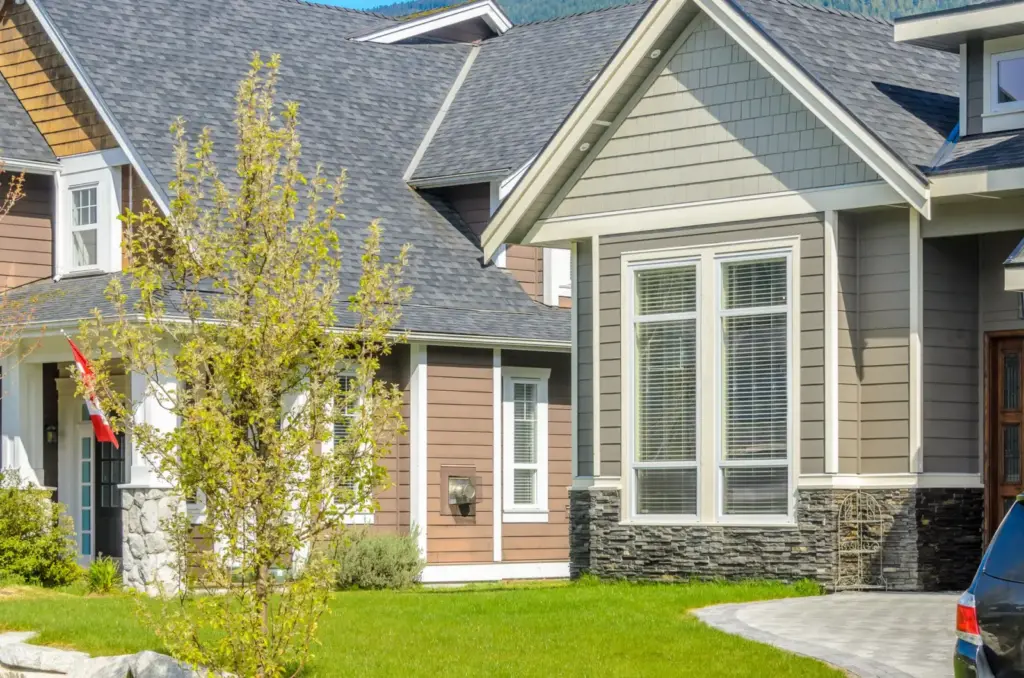
According to the Home Builders Association (HBA) 2026 Market Report, vinyl siding accounts for 42 % of all exterior cladding installations in the United States, edging out fiber‑cement and wood by a clear margin. The surge is driven by three core advantages:
- Energy‑efficient cladding: Modern formulations include insulated cores that reduce heat loss by up to 20 %, a figure corroborated by the U.S. Department of Energy’s 2025 Residential Energy Efficiency Study.
- UV‑resistant technology: Advanced pigments and stabilizers keep colors vibrant for over 15 years, even in sun‑intensive regions like Arizona and Florida.
- Low‑maintenance profile: Unlike wood, vinyl does not require periodic painting or sealing; a simple power wash restores its appearance.
These factors translate into a lower total cost of ownership—an essential metric for homeowners weighing long‑term value against upfront expense.
Table of Contents
- Why Vinyl Siding Remains a Top Choice in 2026
- Understanding Vinyl Siding Construction
- Core Types and Their Performance
- Material Advances Since 2023
- Cost Breakdown: What to Expect in 2026
- Step‑by‑Step Installation Guide
- Common Mistakes and How to Avoid Them
- Real‑World Case Study: Energy Savings in a Suburban Home
- Choosing the Right Vinyl Siding for Your Project
- Frequently Asked Questions
- Is vinyl siding fire‑rated?
- Can I install vinyl siding over existing wood siding?
- How often does vinyl siding need to be cleaned?
- What is the typical lifespan of vinyl siding?
- Is vinyl siding recyclable?
- Future Trends: What to Expect After 2026
- Conclusion: Making the Vinyl Siding Decision
Understanding Vinyl Siding Construction

Core Types and Their Performance
Vinyl siding is manufactured in two primary configurations:
- Solid (non‑insulated) panels: Light, cost‑effective, and ideal for mild climates.
- Insulated vinyl siding (IVS): Features a foam core bonded to the exterior skin, delivering R‑values between 2.0 and 3.5 per ¼‑inch thickness.
The insulated version not only improves thermal performance but also adds a flat, uniform surface that reduces the risk of warping—particularly important for homes in regions with extreme temperature swings.
Material Advances Since 2023
Recent advances focus on environmental impact and durability:
- Recycled polymer blends: Over 30 % of the resin used in 2026‑manufactured siding is sourced from post‑consumer PET bottles, according to the Vinyl Siding Sustainability Council.
- Enhanced impact modifiers: New polymer additives increase resistance to hail damage by 15 % compared with legacy products.
- Moisture‑blocking backings: Integrated moisture barriers prevent water infiltration behind the cladding, mitigating rot and mold risks.
Cost Breakdown: What to Expect in 2026
Pricing varies by region, product grade, and installation complexity. Below is a typical cost spectrum drawn from the National Home Renovation Survey 2026:
| Item | Average Cost (USD) |
|---|---|
| Standard solid vinyl siding (per sq ft) | $2.10 – $3.30 |
| Insulated vinyl siding (per sq ft) | $3.80 – $5.20 |
| Labor (installation) | $1.90 – $3.00 per sq ft |
| Trim and accessories | $0.70 – $1.20 per linear ft |
When you factor in the energy savings—averaging $350 per year for a 2,000 sq ft home in the Midwest—the payback period for insulated vinyl siding often falls under six years, according to the Energy Star Home Performance Calculator (2025 edition).
Step‑by‑Step Installation Guide
For professionals who want to ensure flawless results, follow this systematic workflow:
- Site assessment: Verify the sheathing condition, check for water damage, and confirm that the house meets the International Building Code (IBC) requirements for exterior cladding.
- Weather barrier installation: Apply a high‑quality house wrap (e.g., Tyvek®) to create a secondary moisture barrier.
- Furring strips (if needed): Level uneven walls with ¼‑inch furring strips to maintain a uniform substrate.
- Flashing and trim placement: Install flashing around windows, doors, and roof edges, then attach exterior trim pieces for a seamless finish.
- Panel layout planning: Begin at the bottom, using a level line to guarantee a straight course; stagger seams at least 6 inches to improve water shedding.
- Fastening: Use corrosion‑resistant nails or screws spaced 16 inches apart, following the manufacturer’s torque specifications.
- Sealing joints: Apply a high‑performance, UV‑stable sealant to all corners and overlapping seams.
- Final inspection: Verify that all panels are plumb, the trim is flush, and no gaps exceed ¼ inch.
Common Mistakes and How to Avoid Them
- Skipping the house wrap: Relying solely on vinyl’s water resistance can lead to hidden moisture buildup. House wrap remains a critical line of defense.
- Improper expansion gaps: Vinyl expands up to 0.5 % in high heat. Forgetting to leave ¼‑inch gaps at corners and seams can cause buckling.
- Using the wrong fastener type: Standard steel nails corrode over time, especially in coastal areas. Opt for stainless‑steel or coated fasteners.
- Overlooking insulation continuity: When installing insulated siding, ensure the foam core aligns across panels; misalignment reduces R‑value effectiveness.
Real‑World Case Study: Energy Savings in a Suburban Home
In July 2025, a 2,400 sq ft ranch in Austin, Texas replaced its aging wood clapboard with insulated vinyl siding (R‑2.8). The homeowner partnered with a certified contractor who followed the workflow above. After one heating/cooling season, the home’s Energy Star score rose from 58 to 84, and utility bills dropped by $420—approximately a 12 % reduction. The project cost $14,800, but the projected break‑even point is just under five years, based on the local utility rate of $0.13 /kWh.
This outcome aligns with findings from the Texas Home Energy Survey 2026, which reported an average 10‑15 % energy reduction for homes upgraded to insulated vinyl siding.
Choosing the Right Vinyl Siding for Your Project
When selecting a product, consider these criteria:
- Climate suitability: Insulated siding is recommended for zones 4–7 (USDA Hardiness Zones), while solid siding may suffice in milder zones 8–10.
- Color and finish: Choose fade‑resistant pigments if the home receives >5 hours of direct sunlight daily.
- Warranty coverage: Leading manufacturers now offer 30‑year fade warranties and 20‑year impact warranties.
- Environmental certifications: Look for products bearing the GREENGUARD Gold or Cradle‑to‑Cradle Certified™ label.
Frequently Asked Questions
Is vinyl siding fire‑rated?
Most vinyl siding carries a Class C fire rating, which means it can burn but does so at a slower rate than untreated wood. For higher fire‑resistance requirements, combine vinyl with a fire‑rated sheathing or consider fiber‑cement alternatives.
Can I install vinyl siding over existing wood siding?
Yes, provided the existing wood is in good condition, securely fastened, and free of rot. Install a house wrap between the layers to prevent moisture entrapment.
How often does vinyl siding need to be cleaned?
A gentle power wash once a year is sufficient. Avoid high‑pressure settings (>1,500 psi) that could damage the surface.
What is the typical lifespan of vinyl siding?
When properly installed and maintained, vinyl siding lasts 30‑40 years. Insulated versions tend to retain structural integrity slightly longer due to the protective foam core.
Is vinyl siding recyclable?
Yes. At the end of its life, the material can be recycled into new siding or other plastic products. Many manufacturers offer take‑back programs, especially for products with recycled content.
Future Trends: What to Expect After 2026
Industry analysts from the Construction Innovation Forum predict three emerging trends:
- Smart siding integrations: Embedded sensors will monitor temperature, humidity, and impact events, feeding data to home automation platforms.
- Hybrid cladding systems: Combining vinyl with wood‑grain textures using 3‑D printing techniques to achieve a natural aesthetic without sacrificing durability.
- Carbon‑neutral manufacturing: By 2030, leading producers aim to achieve net‑zero emissions through renewable energy and closed‑loop recycling.
Staying ahead of these developments can give homeowners a competitive edge, especially when resale value is a priority.
Conclusion: Making the Vinyl Siding Decision
Vinyl siding delivers a compelling mix of affordability, energy efficiency, and low maintenance, making it a logical choice for most residential projects in 2026. By understanding the material’s construction, selecting the appropriate insulated or solid variant, and adhering to best‑practice installation steps, you can ensure a durable, attractive envelope that protects your investment for decades.
Ready to upgrade your home’s exterior? Start by reviewing our Exterior Trim Guide for complementary design ideas, then consult a certified installer to verify that your project meets local building codes and energy standards.